Data centers
Who pays for the electricity, power lines and water data centers need, how they affect local air, water, land and jobs, whether they get tax breaks, whether new ones should be paused, and who decides where they go.
What they call for
DemocratsRepublicans7 new members addressed this issue (with these filters). Many call for more than one thing.
Keep data centers from raising household utility bills6Make data centers pay their own power, grid and water costs5Give local communities a say in data center decisions5Set binding standards and rules for data centers3Pause new data centers2End tax breaks and subsidies for data centers2Protect local water and the environment from data centers2Require impact reviews and public disclosure for data centers2Make data centers deliver local jobs, benefits and worker protections2Protect the power grid's reliability as data centers grow1
Keep data centers from raising household utility bills
6 members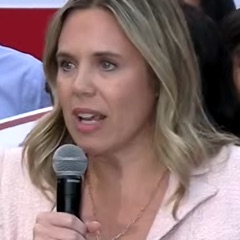
“Before that, Andrews brought her Gas, Grits & Groceries Affordability Tour to Aiken, where she called for a two-year moratorium, an end to data center tax breaks, and legislation to keep data center costs off families’ power bills.”View on their website ↗
“Andrews’ plan would also stop data centers from passing their costs onto South Carolina families, end special tax breaks for data centers, and cut red tape standing in the way of new energy infrastructure that can help bring costs down.”View on their website ↗
“She outlined her plans to take on insurance companies and Big Pharma, protect rural hospitals, suspend gas and diesel taxes, and stop data centers from passing their costs onto families.”View on their website ↗
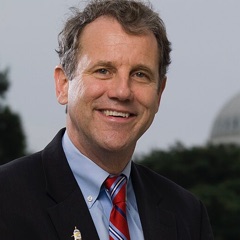
“We’re fighting to require data centers to pay the full cost of their utilities so your bills don’t go up.”View on their website ↗
“Ohioans shouldn’t be forced to subsidize these costs and Ohioans – not Jon Husted and his billionaire friends – should get to decide if data centers are built in their community.”View on their website ↗

“Make sure data centers pay the full cost of all the power they use and prevent costs from being passed on to consumers.”View on their website ↗
“Roy will work to make sure that data centers pay the full cost of the power they use without passing it on to you, and he’d ban utility companies from disconnecting power during dangerous heat or cold. Roy’s plan would lower energy costs by modernizing our energy grid and encouraging the tech companies to build their own energy sources.”View on their website ↗
“Roy Cooper believes that data centers should pay the full cost of the energy they use, and prevent those costs from being passed on to locals.”View on their website ↗
“Roy will work to lower utility bills by ensuring that corporations – not you – pay for energy used, including making sure data centers pay the full cost of all the power they use and preventing that cost from being passed on to families.”View on their website ↗

“In January, Abdul released his “Terms of Engagement” for data center construction to address another major aspect of AI’s rapid expansion and a point of contention in communities across Michigan. The policy would put conditions on construction, including local job guarantees from the corporations who fund them, stringent energy regulations that ensure utility companies can’t hike rates for Michiganders, and environmental protections that stop corporate polluters in their tracks.”View on their website ↗
“Against data centers raising costs, guardrails on AI to protect our kids and jobs.”View on their website ↗

“Require data centers to pay their fair share of electricity costs. Power usage by Data centers, driven by the rapid growth of AI, is growing rapidly throughout the United States, including rural states like Kansas. While these developments can provide economic benefits and jobs to areas that need them, we need to ensure that the companies behind them cover their costs instead of burdening ratepayers and earn the support of the towns and counties they move into. Republicans and Democrats agree on this. But where some support voluntary pledges, Adam would propose binding rules and legislation.”View on their website ↗
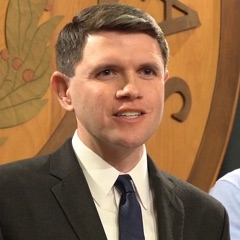
“Protect Texans from future increases in energy costs: Require large energy users like AI data centers to cover the cost of the energy infrastructure updates they need so those costs aren’t passed onto consumers; crack down on energy price gouging during natural disasters and other emergencies; and modernize the LIHEAP disbursement formula to ensure that hot climate states — like Texas — receive equitable funds to help families with utility costs.”View on their website ↗
“Hold data centers accountable and stop them from jacking up our utility bills: End sweetheart tax deals for big tech companies, guarantee large energy users like data centers fund the infrastructure improvements they need rather than passing those costs on to consumers, require new data centers to use a closed-loop system to reduce water consumption and pollution, set minimum federal requirements for new data center projects to protect our grid, environment, and jobs and ensure transparency, and empower local communities to decide whether they want a data center in their town.”View on their website ↗
“Ensure AI data centers do not disrupt communities or raise energy costs for Americans: Guarantee large energy users like data centers fund the infrastructure improvements they need rather than passing those costs on to consumers, and support legislation to study the best ways for America to take advantage of the benefits of AI without disrupting communities.”View on their website ↗
“Lower energy costs: Require AI data centers to pay for their own energy infrastructure updates so those costs aren’t passed on to consumers, diversify our energy sources to drive down costs, expand the Energy Star program that educates consumers about energy-efficient products, and modernize the Low-Income Home Energy Assistance Program’s disbursement formula to ensure that hot climate states — like Texas — receive equitable funds to help families with utility costs.”View on their website ↗
“In the Senate, he’ll fight to bring both parties together to lower our costs – taking on the data centers driving up utility bills and ending the wars raising gas prices.”View on their website ↗
Make data centers pay their own power, grid and water costs
5 members“Andrews’ plan would also stop data centers from passing their costs onto South Carolina families, end special tax breaks for data centers, and cut red tape standing in the way of new energy infrastructure that can help bring costs down.”View on their website ↗
“She outlined her plans to take on insurance companies and Big Pharma, protect rural hospitals, suspend gas and diesel taxes, and stop data centers from passing their costs onto families.”View on their website ↗
“We’re fighting to require data centers to pay the full cost of their utilities so your bills don’t go up.”View on their website ↗
“Make sure data centers pay the full cost of all the power they use and prevent costs from being passed on to consumers.”View on their website ↗
“Roy will work to make sure that data centers pay the full cost of the power they use without passing it on to you, and he’d ban utility companies from disconnecting power during dangerous heat or cold. Roy’s plan would lower energy costs by modernizing our energy grid and encouraging the tech companies to build their own energy sources.”View on their website ↗
“Roy Cooper believes that data centers should pay the full cost of the energy they use, and prevent those costs from being passed on to locals.”View on their website ↗
“Roy will work to lower utility bills by ensuring that corporations – not you – pay for energy used, including making sure data centers pay the full cost of all the power they use and preventing that cost from being passed on to families.”View on their website ↗
“Require data centers to pay their fair share of electricity costs. Power usage by Data centers, driven by the rapid growth of AI, is growing rapidly throughout the United States, including rural states like Kansas. While these developments can provide economic benefits and jobs to areas that need them, we need to ensure that the companies behind them cover their costs instead of burdening ratepayers and earn the support of the towns and counties they move into. Republicans and Democrats agree on this. But where some support voluntary pledges, Adam would propose binding rules and legislation.”View on their website ↗
“Protect Texans from future increases in energy costs: Require large energy users like AI data centers to cover the cost of the energy infrastructure updates they need so those costs aren’t passed onto consumers; crack down on energy price gouging during natural disasters and other emergencies; and modernize the LIHEAP disbursement formula to ensure that hot climate states — like Texas — receive equitable funds to help families with utility costs.”View on their website ↗
“Hold data centers accountable and stop them from jacking up our utility bills: End sweetheart tax deals for big tech companies, guarantee large energy users like data centers fund the infrastructure improvements they need rather than passing those costs on to consumers, require new data centers to use a closed-loop system to reduce water consumption and pollution, set minimum federal requirements for new data center projects to protect our grid, environment, and jobs and ensure transparency, and empower local communities to decide whether they want a data center in their town.”View on their website ↗
“Ensure AI data centers do not disrupt communities or raise energy costs for Americans: Guarantee large energy users like data centers fund the infrastructure improvements they need rather than passing those costs on to consumers, and support legislation to study the best ways for America to take advantage of the benefits of AI without disrupting communities.”View on their website ↗
“Lower energy costs: Require AI data centers to pay for their own energy infrastructure updates so those costs aren’t passed on to consumers, diversify our energy sources to drive down costs, expand the Energy Star program that educates consumers about energy-efficient products, and modernize the Low-Income Home Energy Assistance Program’s disbursement formula to ensure that hot climate states — like Texas — receive equitable funds to help families with utility costs.”View on their website ↗
Give local communities a say in data center decisions
5 members“Andrews has visited a nearly $3 billion data center project site in Spartanburg, met with residents in Aiken concerned about rising power bills, and stood alongside residents in Walterboro, where she launched DataCenterDarline.com and called for greater local control over data center developments and a two-year moratorium.”View on their website ↗
“Today, Dr. Annie Andrews joined community members in Walterboro to call for greater local control over data center development and highlight Darline Graham’s outspoken support for the industry.”View on their website ↗
“The comprehensive proposal lays out a four-pronged offensive to ease the financial strain on working families: expanding housing accessibility, strengthening child care infrastructure to support working parents, slashing energy and grocery bills at the checkout line, and equipping local communities with the regulatory firepower to push back against unchecked corporate data center encroachment.”View on their website ↗
““Data Center Darline”: Pro-AI interests have spent more than $1 million backing Graham while Andrews fights for local control and lower bills.”View on their website ↗
“Ohioans shouldn’t be forced to subsidize these costs and Ohioans – not Jon Husted and his billionaire friends – should get to decide if data centers are built in their community.”View on their website ↗
“He also believes that local communities should be fully involved in any decision made about potential data centers in their neighborhoods.”View on their website ↗
“In January, we released a Data Center Terms of Engagement platform because communities have the right to know and control what’s being built, who benefits, and what they get in return.”View on their website ↗
“Hold data centers accountable and stop them from jacking up our utility bills: End sweetheart tax deals for big tech companies, guarantee large energy users like data centers fund the infrastructure improvements they need rather than passing those costs on to consumers, require new data centers to use a closed-loop system to reduce water consumption and pollution, set minimum federal requirements for new data center projects to protect our grid, environment, and jobs and ensure transparency, and empower local communities to decide whether they want a data center in their town.”View on their website ↗
Set binding standards and rules for data centers
3 members“In January, Abdul released his “Terms of Engagement” for data center construction to address another major aspect of AI’s rapid expansion and a point of contention in communities across Michigan. The policy would put conditions on construction, including local job guarantees from the corporations who fund them, stringent energy regulations that ensure utility companies can’t hike rates for Michiganders, and environmental protections that stop corporate polluters in their tracks.”View on their website ↗
“This cannot continue to be a race to the bottom as the richest people in society make robots that could ultimately end humanity, as they’re now talking about, while the rest of us have to deal with these hulking data centers in our backyard raising our utility rates and destroying our water. We can do better, it means regulation, and we needed that regulation yesterday, so the best we can do is tomorrow.”View on their website ↗
“Data centers are among the most direct impacts of new technologies in the lives of everyday Michiganders. I support comprehensive federal zoning guidelines and legislation that protect communities from their unintended consequences.”View on their website ↗
“Toward that end, I created a leading edge policy proposal for “Terms of Engagement” for data centers that I intend to pass as federal law in the U.S. Senate.”View on their website ↗
“Require data centers to pay their fair share of electricity costs. Power usage by Data centers, driven by the rapid growth of AI, is growing rapidly throughout the United States, including rural states like Kansas. While these developments can provide economic benefits and jobs to areas that need them, we need to ensure that the companies behind them cover their costs instead of burdening ratepayers and earn the support of the towns and counties they move into. Republicans and Democrats agree on this. But where some support voluntary pledges, Adam would propose binding rules and legislation.”View on their website ↗
“Hold data centers accountable and stop them from jacking up our utility bills: End sweetheart tax deals for big tech companies, guarantee large energy users like data centers fund the infrastructure improvements they need rather than passing those costs on to consumers, require new data centers to use a closed-loop system to reduce water consumption and pollution, set minimum federal requirements for new data center projects to protect our grid, environment, and jobs and ensure transparency, and empower local communities to decide whether they want a data center in their town.”View on their website ↗
Pause new data centers
2 members“Andrews has visited a nearly $3 billion data center project site in Spartanburg, met with residents in Aiken concerned about rising power bills, and stood alongside residents in Walterboro, where she launched DataCenterDarline.com and called for greater local control over data center developments and a two-year moratorium.”View on their website ↗
“Before that, Andrews brought her Gas, Grits & Groceries Affordability Tour to Aiken, where she called for a two-year moratorium, an end to data center tax breaks, and legislation to keep data center costs off families’ power bills.”View on their website ↗
“Pause Frontier AI Now: There’s no greater marker of how broken our political system is than how this has somehow not happened yet. Freeze the training and release of the most powerful AI systems until real safety rules and enforcement exists. Independent scientists must certify safety before the pause lifts, and new AI data centers wait too.”View on their website ↗
End tax breaks and subsidies for data centers
2 members“Before that, Andrews brought her Gas, Grits & Groceries Affordability Tour to Aiken, where she called for a two-year moratorium, an end to data center tax breaks, and legislation to keep data center costs off families’ power bills.”View on their website ↗
“Andrews’ plan would also stop data centers from passing their costs onto South Carolina families, end special tax breaks for data centers, and cut red tape standing in the way of new energy infrastructure that can help bring costs down.”View on their website ↗
“End special tax breaks for data centers, companies that ship jobs overseas, private equity firms, and hedge funds.”View on their website ↗
“Hold data centers accountable and stop them from jacking up our utility bills: End sweetheart tax deals for big tech companies, guarantee large energy users like data centers fund the infrastructure improvements they need rather than passing those costs on to consumers, require new data centers to use a closed-loop system to reduce water consumption and pollution, set minimum federal requirements for new data center projects to protect our grid, environment, and jobs and ensure transparency, and empower local communities to decide whether they want a data center in their town.”View on their website ↗
Protect local water and the environment from data centers
2 members“In January, Abdul released his “Terms of Engagement” for data center construction to address another major aspect of AI’s rapid expansion and a point of contention in communities across Michigan. The policy would put conditions on construction, including local job guarantees from the corporations who fund them, stringent energy regulations that ensure utility companies can’t hike rates for Michiganders, and environmental protections that stop corporate polluters in their tracks.”View on their website ↗
“Hold data centers accountable and stop them from jacking up our utility bills: End sweetheart tax deals for big tech companies, guarantee large energy users like data centers fund the infrastructure improvements they need rather than passing those costs on to consumers, require new data centers to use a closed-loop system to reduce water consumption and pollution, set minimum federal requirements for new data center projects to protect our grid, environment, and jobs and ensure transparency, and empower local communities to decide whether they want a data center in their town.”View on their website ↗
Require impact reviews and public disclosure for data centers
2 members“In January, we released a Data Center Terms of Engagement platform because communities have the right to know and control what’s being built, who benefits, and what they get in return.”View on their website ↗
“Hold data centers accountable and stop them from jacking up our utility bills: End sweetheart tax deals for big tech companies, guarantee large energy users like data centers fund the infrastructure improvements they need rather than passing those costs on to consumers, require new data centers to use a closed-loop system to reduce water consumption and pollution, set minimum federal requirements for new data center projects to protect our grid, environment, and jobs and ensure transparency, and empower local communities to decide whether they want a data center in their town.”View on their website ↗
Make data centers deliver local jobs, benefits and worker protections
2 members“In January, Abdul released his “Terms of Engagement” for data center construction to address another major aspect of AI’s rapid expansion and a point of contention in communities across Michigan. The policy would put conditions on construction, including local job guarantees from the corporations who fund them, stringent energy regulations that ensure utility companies can’t hike rates for Michiganders, and environmental protections that stop corporate polluters in their tracks.”View on their website ↗
“Hold data centers accountable and stop them from jacking up our utility bills: End sweetheart tax deals for big tech companies, guarantee large energy users like data centers fund the infrastructure improvements they need rather than passing those costs on to consumers, require new data centers to use a closed-loop system to reduce water consumption and pollution, set minimum federal requirements for new data center projects to protect our grid, environment, and jobs and ensure transparency, and empower local communities to decide whether they want a data center in their town.”View on their website ↗
Protect the power grid's reliability as data centers grow
1 member“Hold data centers accountable and stop them from jacking up our utility bills: End sweetheart tax deals for big tech companies, guarantee large energy users like data centers fund the infrastructure improvements they need rather than passing those costs on to consumers, require new data centers to use a closed-loop system to reduce water consumption and pollution, set minimum federal requirements for new data center projects to protect our grid, environment, and jobs and ensure transparency, and empower local communities to decide whether they want a data center in their town.”View on their website ↗
Raised the issue without a specific call
1 member
“There is nothing inherently wrong with data centers. There is everything wrong with a “damn the community” approach to building them that neither protects nor benefits everyday Mainers.”View on their website ↗
From January 3, the class of 2026 is in hearings
Search congressional hearings. Get the clip.
Find what any member of Congress has said or asked in a hearing, and watch the moment it happened.
See plans
Search launches soon. The transcript archive is free now.